Saudi Arabia wishes to attain a significant landmark in its tourism industry by assigning half of the industry jobs to Saudis by 2028. This goal is part of the diversification strategy to increase the economic contribution and employment of Saudis. This is part of the broader focus of the kingdom on tourism, which is regarded as a centrepiece of economic development. This is also aligned to the Saudi vision of 2030.
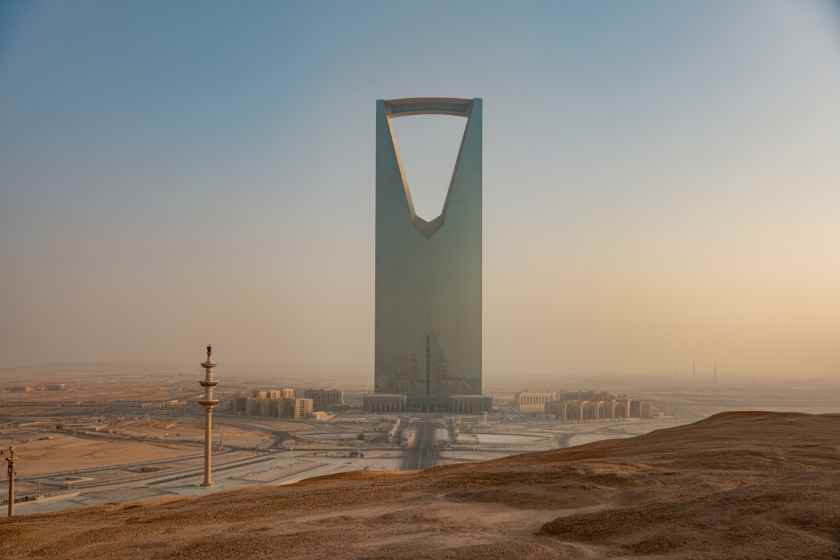
The Vision 2030 aims to increase the employment levels of Saudis by prioritising the retention of 50% of foreign tourism jobs. This is part of the vision which seeks to promote self-sufficiency by providing work to Saudis and reducing the dependency on expatriates. Tourism is the second most rapidly developing industry in Saudi Arabia. The increasing foreign tourists visiting the Kingdom means there will be a higher demand for locally trained professionals.
This includes looking at new opportunities for their citizens in the fields of hospitality, travel services, and cultural tourism. Both job tourism and job localization advancements will help achieve the goals of Saudi Vision 2030, which aims to transform the balance of the Saudi economy by diversifying and decreasing the economy’ s reliance on oil.
Saudi Arabia has invested in enhancing its tourism industry and infrastructure. Funding and public diplomacy successfully sparked interest in the Kingdom from international tourists, and recent SR several billion infrastructure projects have further positioned Saudi Arabia as a foremost tourism hotspot in the Middle East. The recent launch of new destinations, such as the Red Sea tourism belt, NEOM city and advanced centers such as Al-Ula enable Saudi Arabia to successfully compete against historical tourism powerhouse destinations.
Saudi Vision 2030 aims to transform the Kingdom’s economy by diversifying the various components and reducing the balance of oil exports to the economy. The recent job localization progress in the tourism industry will greatly contribute to employment growth in the Kingdom, particularly in the hospitality industry. Saudi Arabia’s tourism strategy focuses on Hotels and resorts. Tour operators and travel agencies see a demand during the peak tourist season.
Beyond direct recruitment within the tourism sector, the implementation of a localization strategy will aid other economic activities, including construction, retailing, and haulage. With more Saudi nationals entering the workforce, the net benefits of tourism will improve and the impacts will be amplified within the Saudi Arabian socioeconomic landscape.
Skills Development and Education for Saudis
As part of the strategy, specific educational and training programs will be designed for Saudi nationals. The Ministry of Tourism, alongside educational and professional institutions, aims to develop and implement targeted training programs to prepare Saudis for employment in the sector. Such training involves hospitality management, tour guiding, marketing and customer relations, as well as event management.
o support the workforce, The Saudi Arabian government is making investments in Skills Development programs to ensure the workforce is up to international standards. Such efforts involve international and local tourism organizations for the provision of training and international level mentorship, including internships and apprenticeships. The local workforce is expected to aid the Saudi Arabian tourism sector and enhance its competitiveness on the global stage.
Engaging International Tourists
The aim of localizing tourism jobs goes beyond employing Saudis; it also concerns improving the overall experience of international tourists. Employment of more professionals in tourism means that guests can look forward to more culturally authentic experiences. Saudis have an excellent grasp of their country’s rest traditions and therefore, are in the right position to provide tourists with attentive and informed services.
The available tourism products in the Kingdom, such as the busy Riyadh streets, ancient Al-Ula ruins, and the beautiful Red sea beaches, will always guarantee international arrivals. In addition, the increasing number of Saudis employed in the tourism industry guarantees international tourists that there are well-trained local professionals available to provide in-depth cultural and historical orientation.
The Impact of Technology on the Localisation of Jobs in the Tourism Sector
In its strategy, the Kingdom of Saudi Arabia is using technology to enhance the tourism sector and facilitate employment opportunities for Saudi citizens. Travelers appreciate the convenience of digital and online travel services, thus the Kingdom is focusing on technology to enhance the travel experience. These investments include the design of smart tourism applications, artificial intelligence (AI) powered chatbots, and digital interfaces for travel service reservation and payment.
Customer service, digital marketing, and data analytics are anticipated to be the areas in which technology will have the highest impact for the localization of Saudi jobs. These services are in high demand with the growth of tourism, which is why it’s critical to foster training opportunities for Saudi citizens in these areas. This will ensure that citizens are equipped to meet the high demand of these skills in the future.
The Path Forward: The Integration of Sustainability in the Tourism Industry
The commitment to the localization of 50% of the tourism workforce by 2028 seeks to secure employment for Saudis, but more importantly, it seeks to develop a balanced tourism sector that benefits the entire Kingdom. While the country is investing in infrastructure, hospitality, and tourism services, it is equally important for the newly created jobs to ensure that Saudis, regardless of their region, benefit from the sector’s growth.
With the focus on sustainability, development of skills, and international cooperation, the country is opening a new era in the tourism industry that is centered on local people and also welcomes foreign tourists. As the country works toward the 2028 aspirations, the tourism sector, within the context of Saudi Vision 2030, continues to support the diversification of the economy by providing a vibrant, and competitive, and balanced tourism industry to be sustained for the coming years to come.
Conclusion
Integrating half of the jobs in the tourism sector by 2028 as part of the target of the Saudi Vision 2030 plan is part of the multi-faceted diversification approach. Supported by a focus on tourism development, the Kingdom is working to integrate itself in the global sustainable tourism framework. The plan empowers Saudi citizens in the fields of hospitality, travel, and cultural tourism—doing both, strengthening the tourism sector and providing long-term sustainable economic returns to the locals and the society.
Looking to the future, the people of Saudi Arabia and the country itself — with the new policies — ensure that the tourism sector will remain competitive, and diversity and inclusion will continue to increase, even as the local tourism sector grows.